How 35 years in IT consulting became a mission to fix video for the world's most knowledgeable people.
The problem I kept seeing
You're confident in the room. Your clients see it. Your peers feel it. But the moment you go on camera, something shifts — the tech trips you up, you look smaller than you are, you sound hesitant, and none of it feels like you.
Maybe you've watched yourself back on a recording and cringed. Maybe you've got a webinar, keynote, or client workshop coming up and the thought of it makes you uneasy. Maybe your competitor's videos look polished and yours look like you're calling in from a storage cupboard.
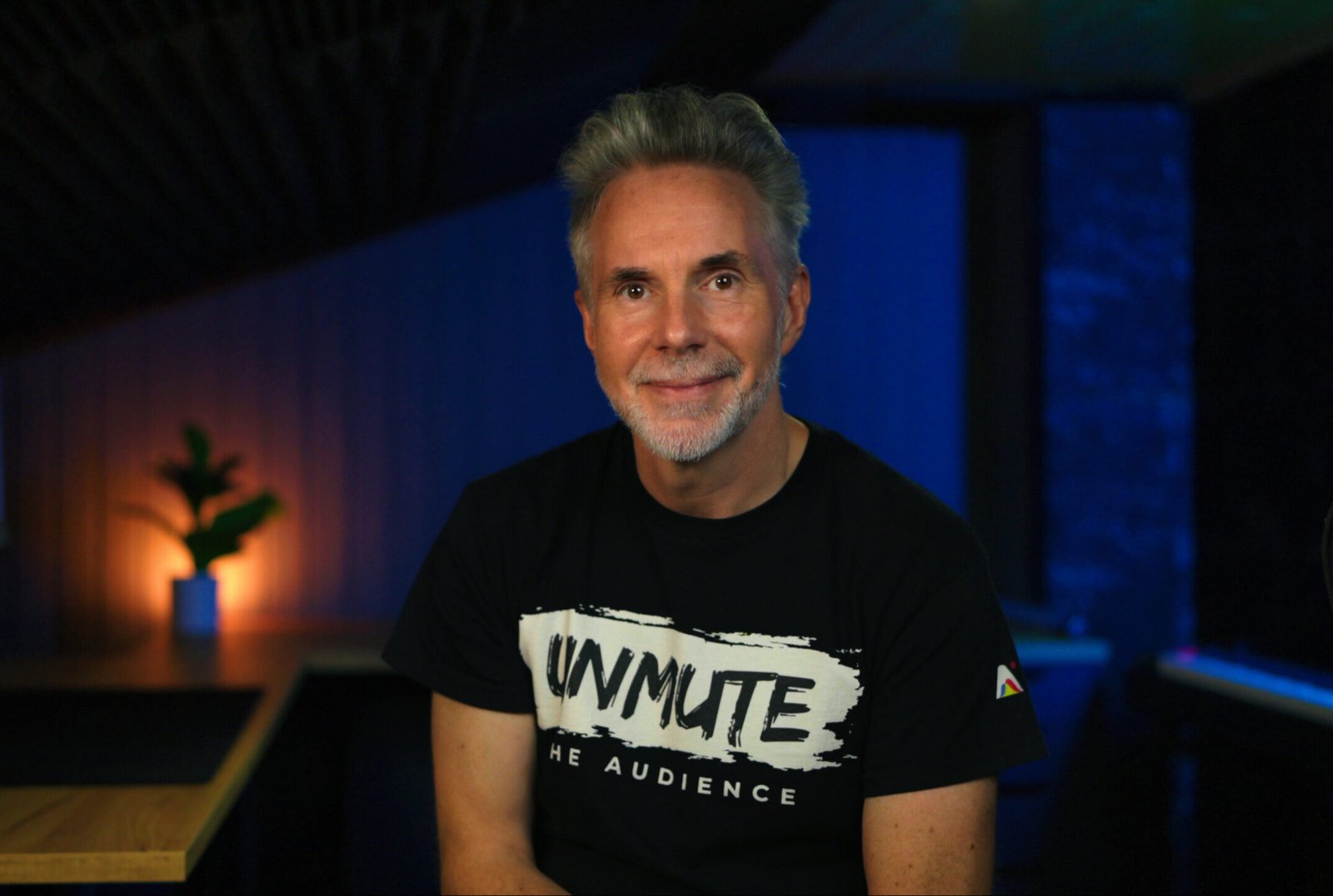
I've spent 35 years around this problem. Most of it in IT and network consulting — designing, building, and rescuing the systems businesses depend on. The rest in broadcast, live events, and professional video production. Two different worlds, one identical pattern: brilliant people — genuinely world-class at what they do — quietly undermined by their own setup.
The knowledge and credibility were real. The video presence wasn't reflecting any of it.
"Before you say a word, your audience has already decided how seriously to take you. That judgement gets made on what they see and hear — not on what you know."
What I actually do
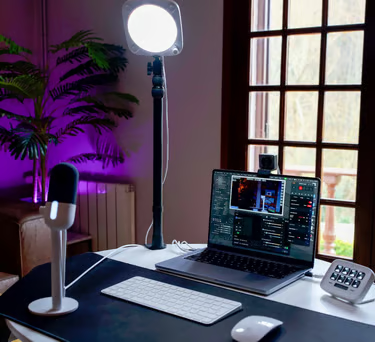
I call it the Authority OS. It's a complete, custom-built system — camera, audio, lighting, streaming software, recording workflows, and documented processes — designed around how you actually work. Not a generic YouTube tutorial. Not a gear list. A system built specifically for you, your space, and your professional goals.
Once it's built, it just works. Every time you sit down to record, go live, or join a video call, everything is exactly where it needs to be. You stop thinking about the gear and start thinking about your audience.
Who I work with
I work with established professionals and experts who have built real authority over years and decades. People whose ideas are worth hearing and whose advice changes outcomes, but who've been held back by a setup that doesn't match the level they operate at.
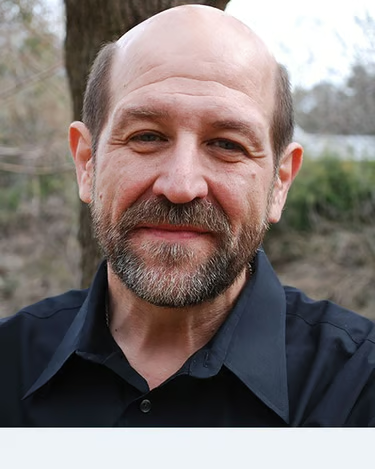
My clients include Professor Bram Duffee, PhD and Dr. Andrea Hollingsworth, PhD, clinical director Joseph Brigandi, and certified financial planner Justin King — people whose credibility is already beyond question everywhere except on screen.
Not by turning you into a content creator. By building the right setup, the right habits, and the on-screen presence that makes the version of you on camera the same one that commands the room.